Quote of the day by Martin Luther King Jr.: “Injustice anywhere is a threat to justice everywhere.”
King’s argument for racial justice treats local injustice as a national moral question—one that cannot be left to other people to resolve.
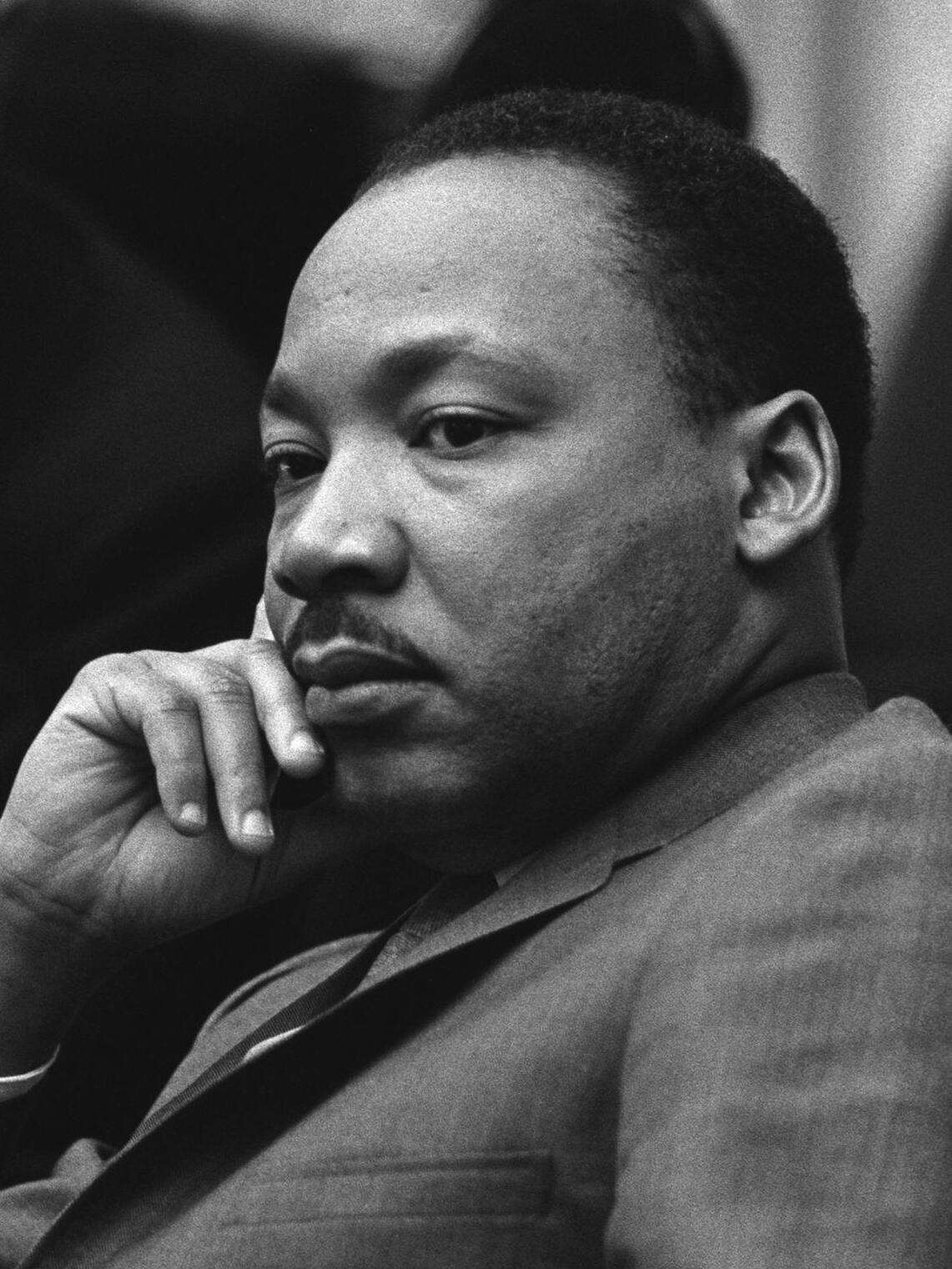
“Injustice anywhere is a threat to justice everywhere.”
Recorded in: Address to the National Urban League, 1960 ↗
Who was Martin Luther King Jr.?
Martin Luther King Jr. was a central leader of the American civil-rights movement. His speeches and writing connected nonviolent action, faith and the need to challenge segregation.
Where the words came from
The line about injustice appears in multiple documented talks and letters. The Stanford King Institute records its use in an address to the National Urban League.
The phrase is most useful when read alongside his arguments for organized nonviolent action and sustained responsibility rather than isolated displays of sympathy.
What this quote actually means
King did not view injustice as a local inconvenience affecting only those directly targeted. His language made the moral and political connection between communities explicit.
A shared responsibility for justice
He challenges the idea that unfairness is someone else’s problem once it falls outside your neighborhood or group.
Why it still matters
His argument invites attention to systems and solidarity instead of treating rights as private individual achievements.
Justice as a connected responsibility
King's sentence insists that injustice cannot always be isolated to one place or group. It asks readers to consider how the treatment of some people affects a wider civic community. The wording fits his broader commitment to organized nonviolent action, not simply personal kindness.
What the short version leaves out
A viral graphic can make the statement feel self-explanatory while obscuring the historical campaigns, legal structures, and collective work through which King pursued change. Agreement with a quotation is not the same as understanding the demands he made of institutions and citizens.
How to explore the original
Follow the linked primary or institutional source and read the surrounding arguments. Ask what specific problem, responsibility, and form of action the sentence is pointing toward.
Is it a general quote about being nice?
Its subject is justice and connected social responsibility. Kindness matters, but the historical argument goes beyond individual politeness.
Where is King’s quote documented?
Stanford’s King Institute records the wording in his speeches on racial justice, including a 1960 address.
Sources and attribution
The quotation above is linked to a source document or accountable publication. The commentary and interpretation are original editorial writing, not new quotations by Martin Luther King Jr..
Read: Address to the National Urban League, 1960 ↗Photograph license and photographer ↗