Not just a quotation and a famous name. Explore what was said, where it appeared, what the words mean, and why people still return to them. Every published entry links to a documentary source.
17 sourced profilesBiographical context · Original interpretation · Image credits
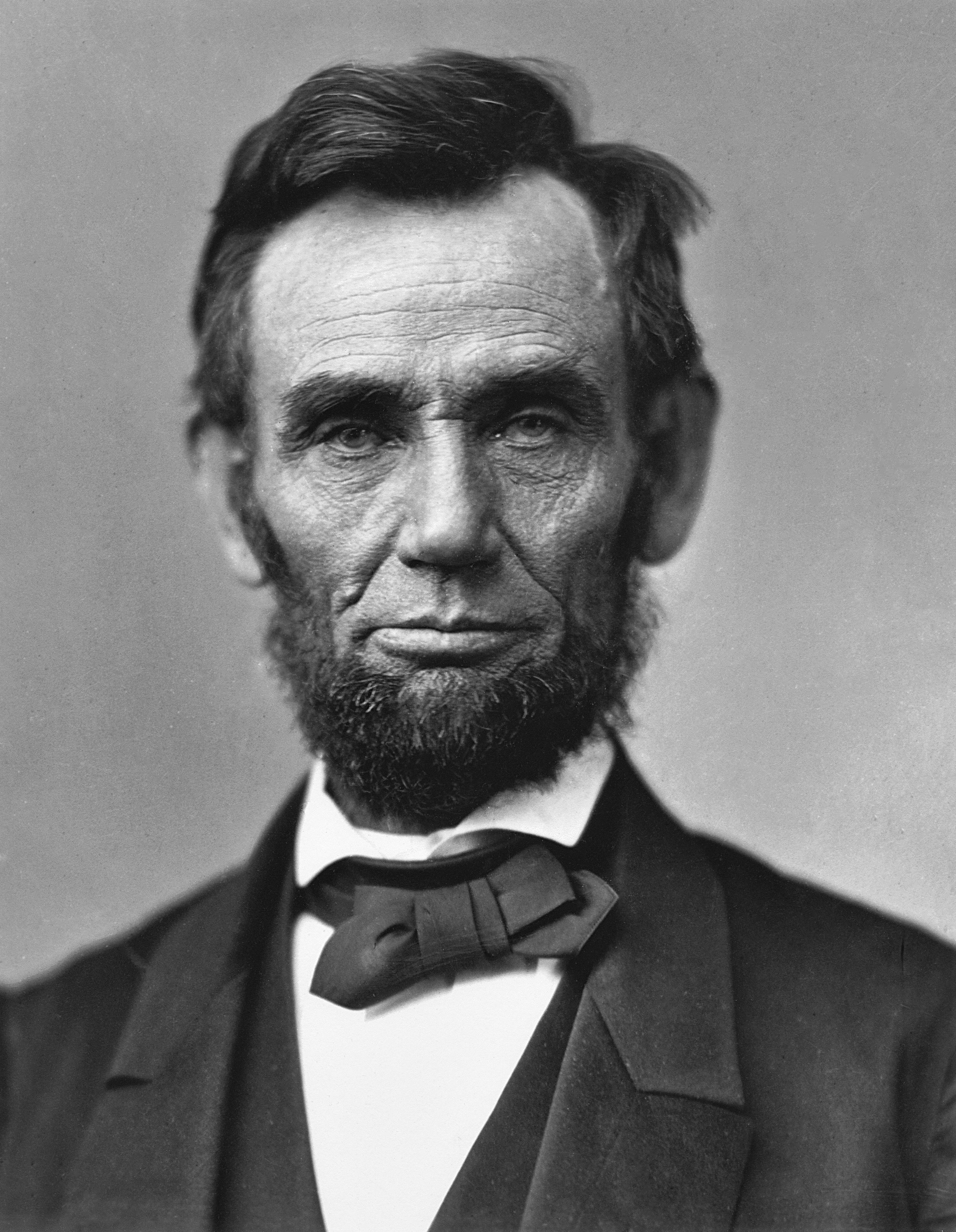
Abraham Lincoln helped guide the United States through the Civil War and placed the survival of a constitutional democracy at the center of his public language. His speeches…
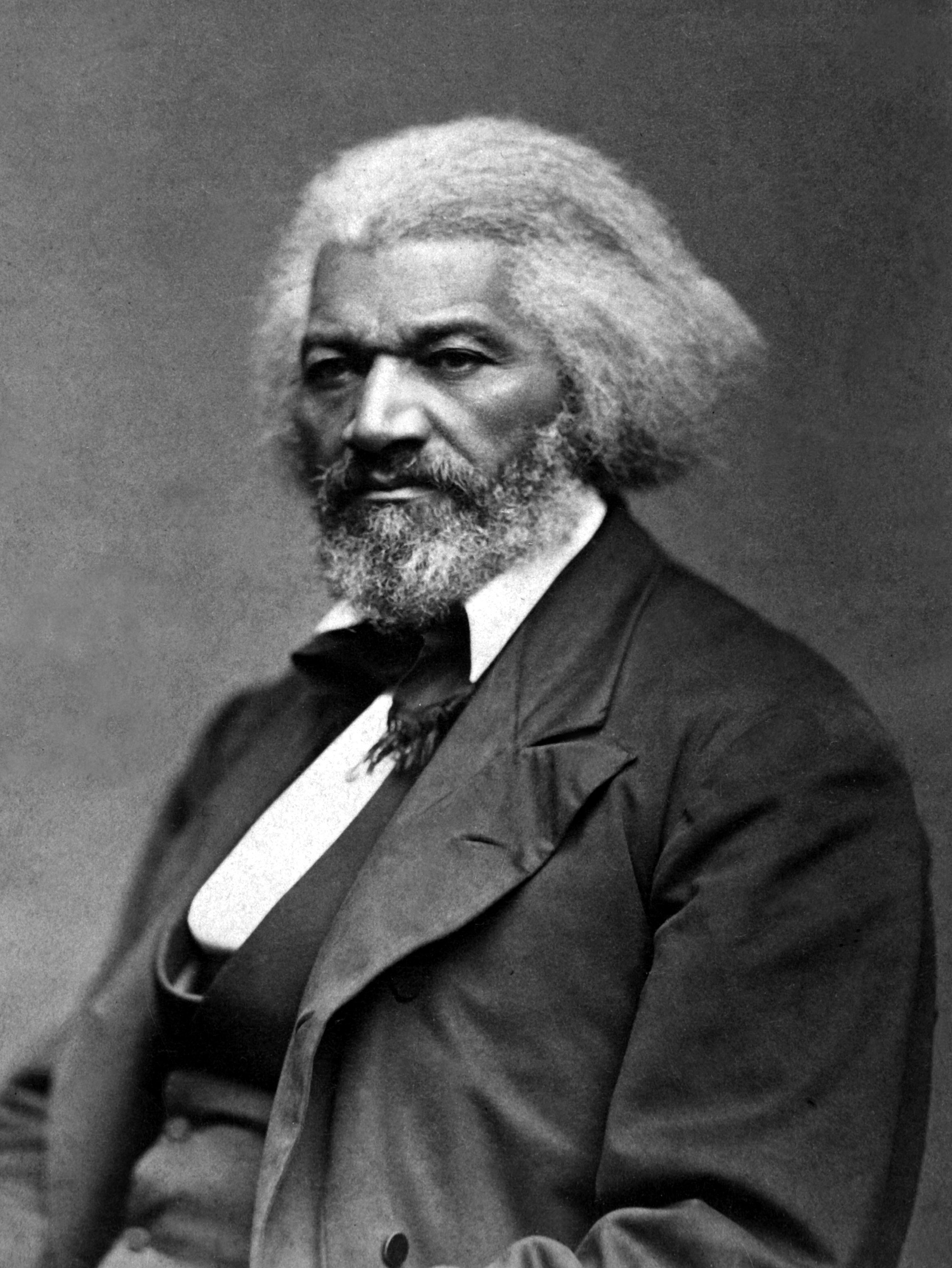
Frederick Douglass escaped enslavement and became one of the most influential American abolitionist writers and speakers. He treated eloquence and organized action as tools for confronting injustice.
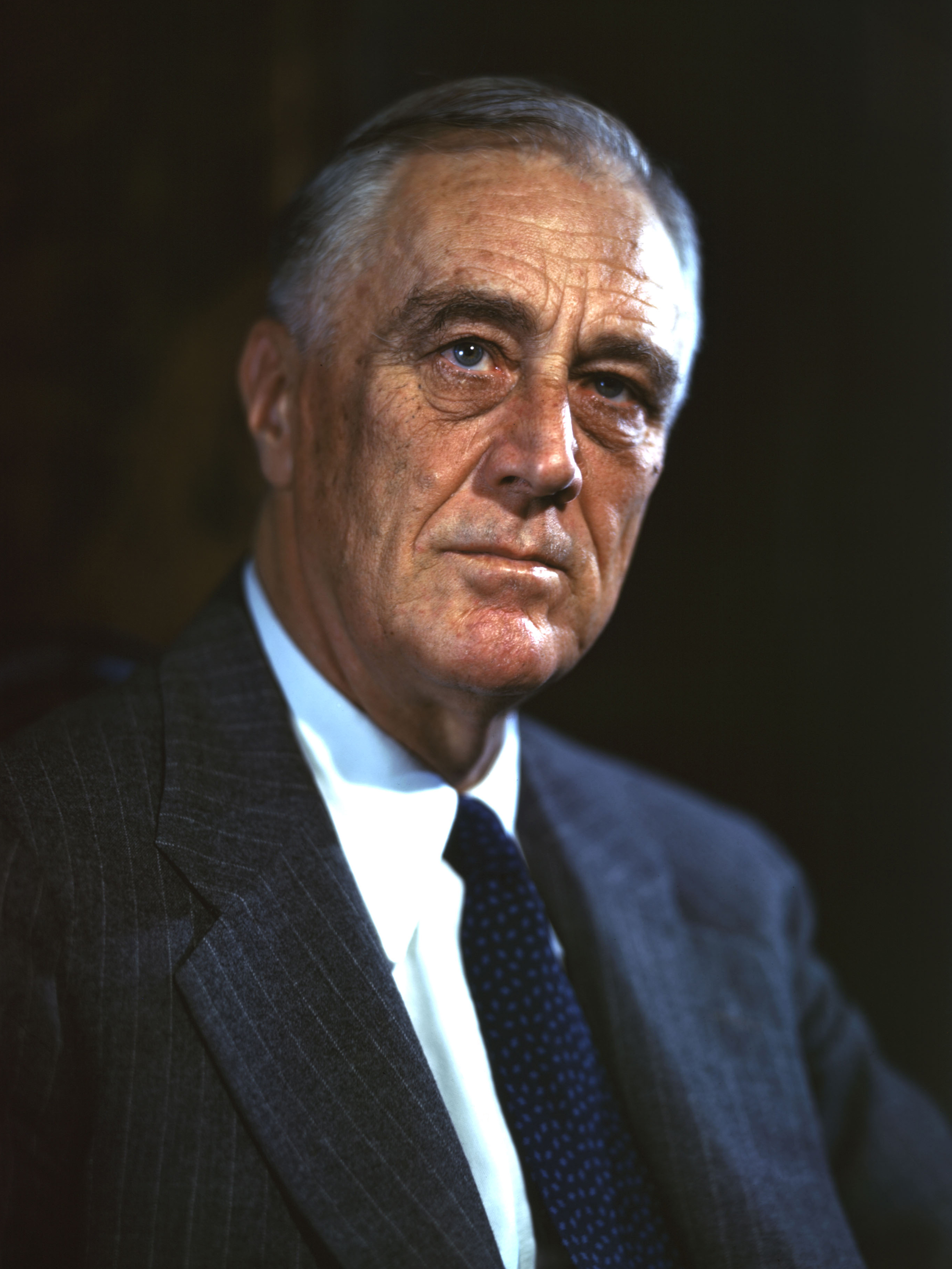
Franklin D. Roosevelt was the 32nd US president. He entered office during the Great Depression and later led the country through most of World War II. His rhetoric…
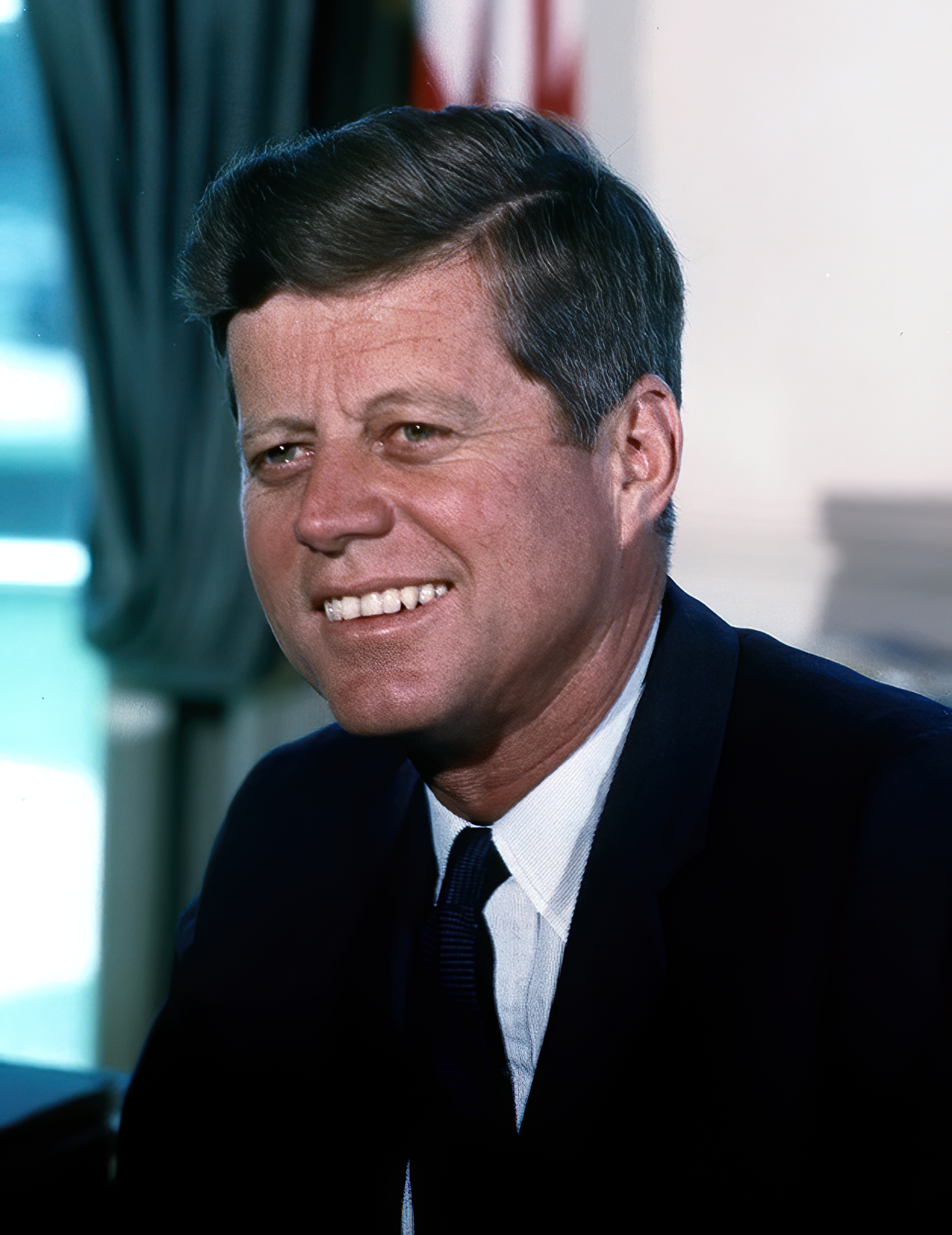
John F. Kennedy’s presidency was shaped by the Cold War and an appeal to public service. His 1961 inaugural address remains one of the best-known examples of American…
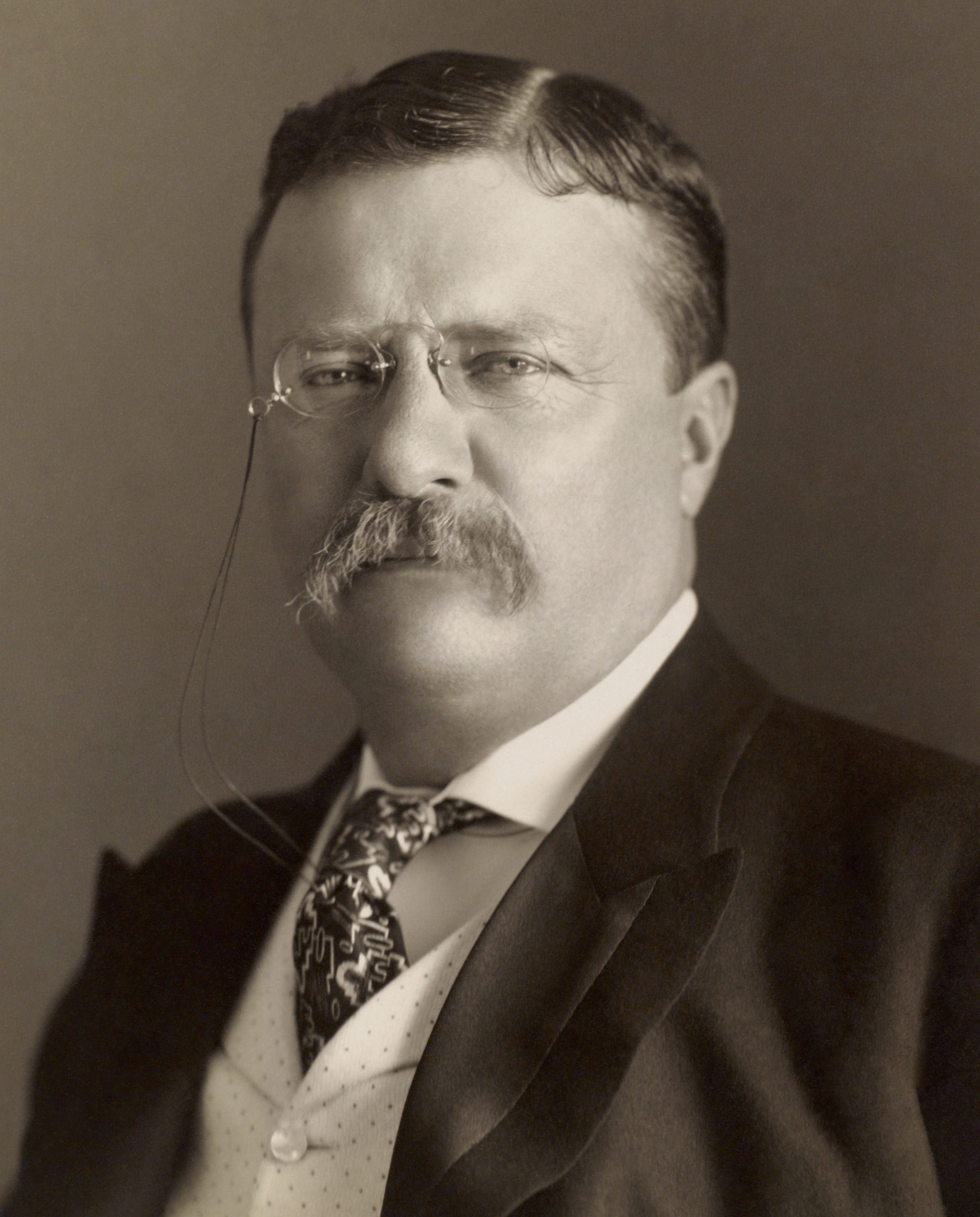
Theodore Roosevelt, the 26th US president, combined political reform with an enduring interest in nature and conservation. His public speaking frequently praised active participation over detached commentary.
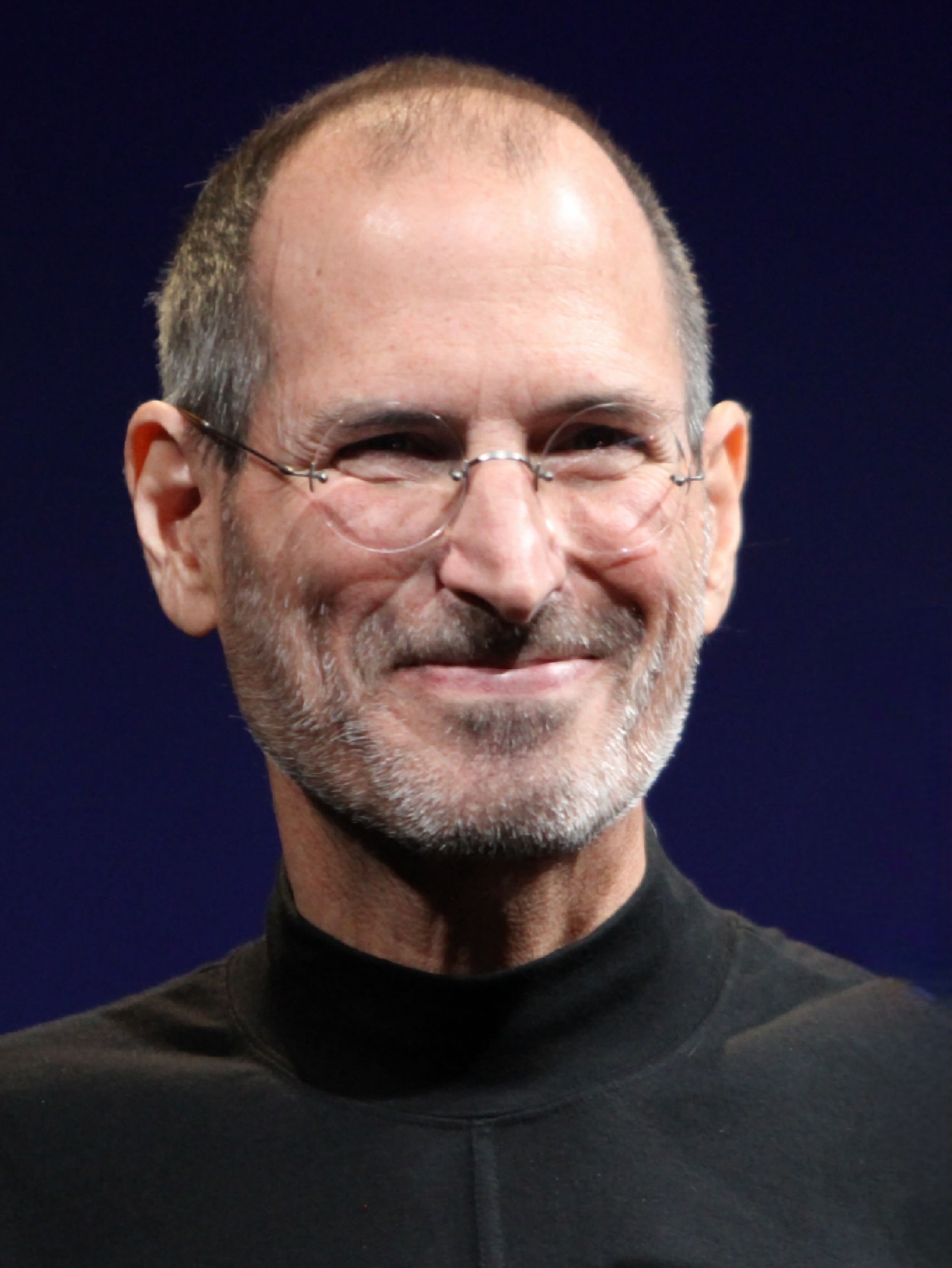
Steve Jobs co-founded Apple and became one of the most closely studied figures in modern consumer technology. His speeches often connected professional choices to personal experience.
Denzel Washington is an American actor and director whose screen career spans acclaimed drama, historical roles and stage work. His 2011 University of Pennsylvania commencement speech emphasized the…
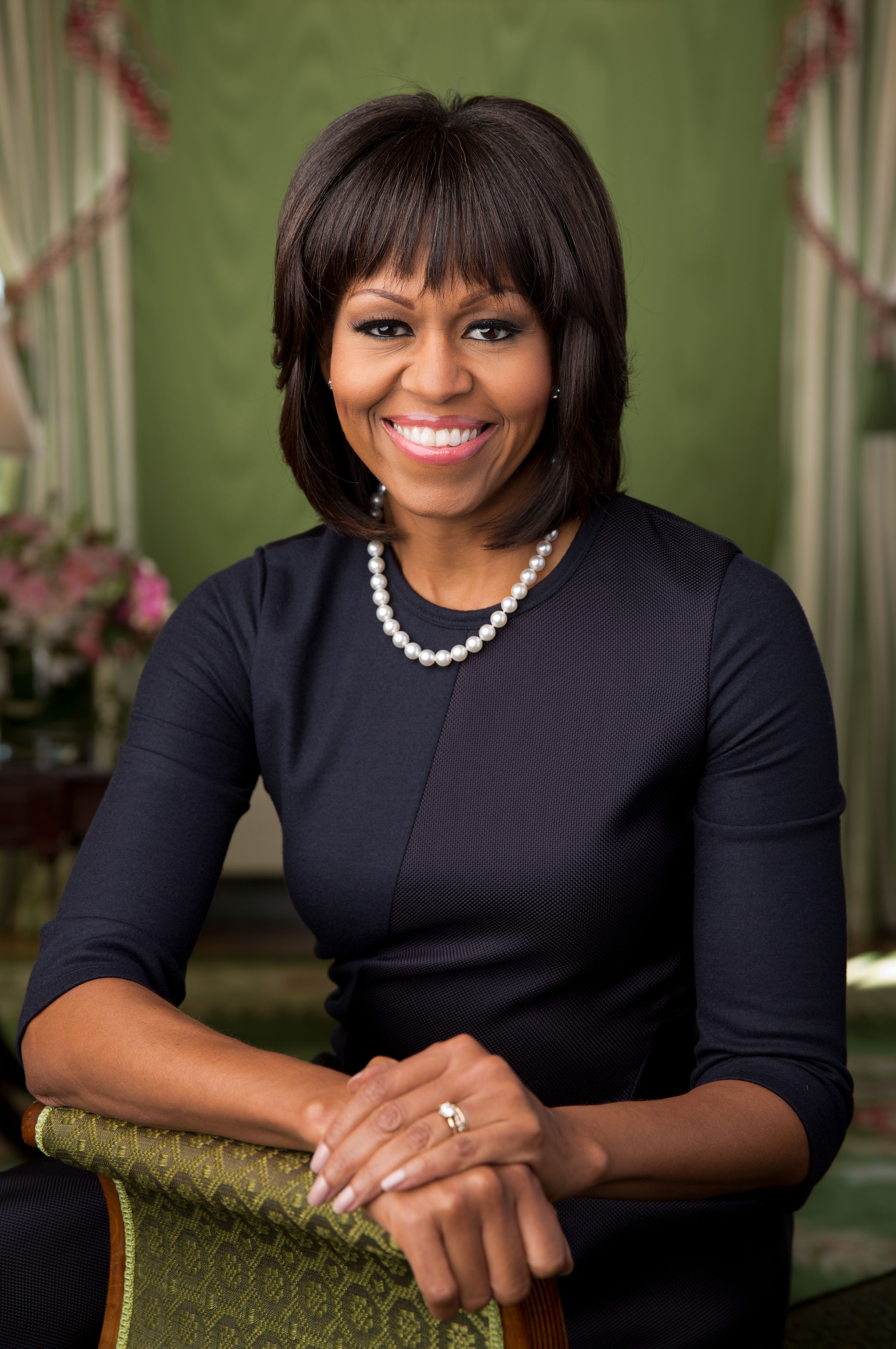
Michelle Obama is an American author, lawyer and former first lady. Her public speaking has often addressed education, family, service and how adults model behavior for younger people.
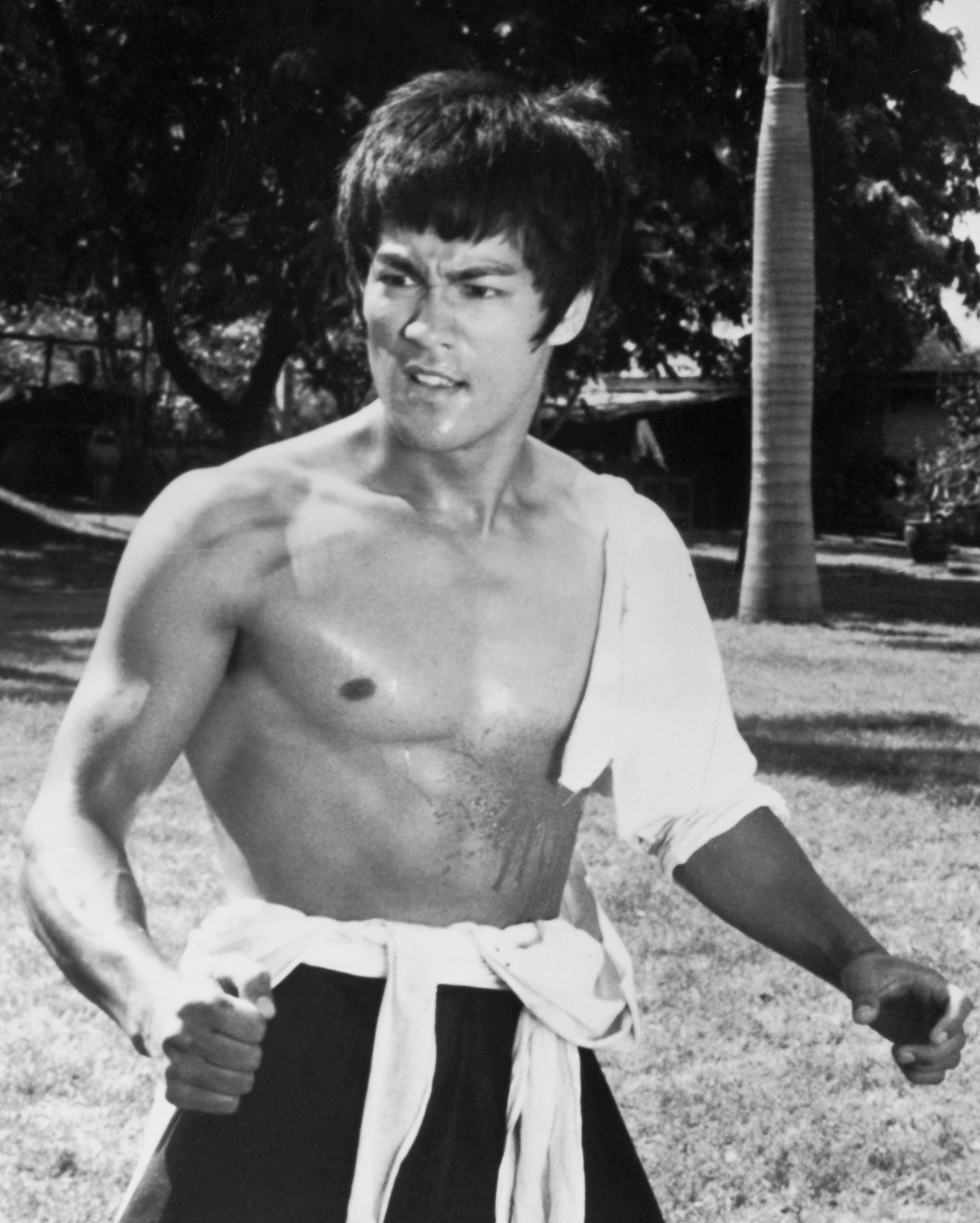
Bruce Lee was an influential martial artist and film performer born in San Francisco and raised in Hong Kong. His approach to physical training was connected to reflections…
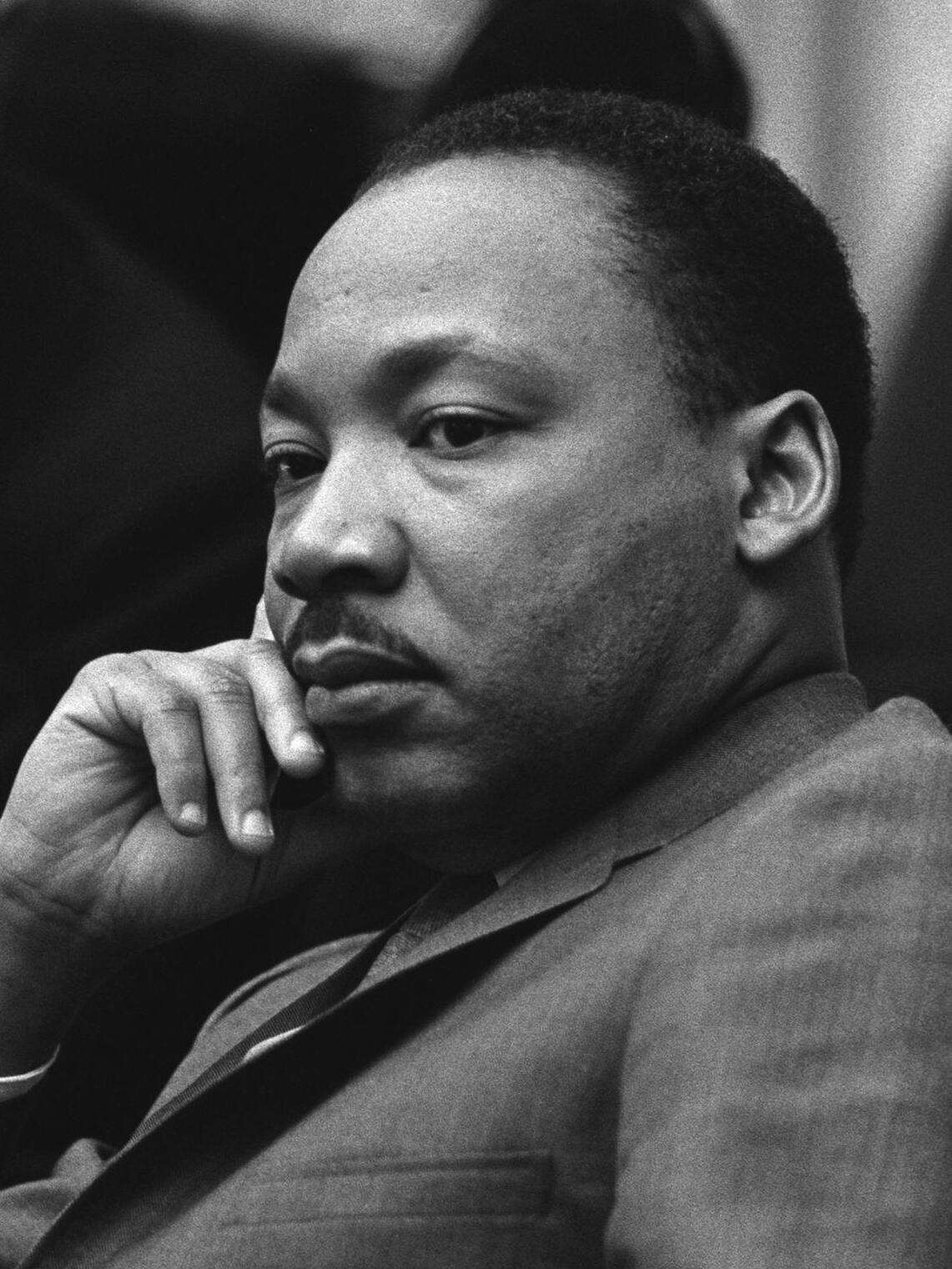
Martin Luther King Jr. was a central leader of the American civil-rights movement. His speeches and writing connected nonviolent action, faith and the need to challenge segregation.
Albert Einstein transformed modern physics through his work on relativity and also wrote about education, society and intellectual freedom. He later lived and worked in the United States.
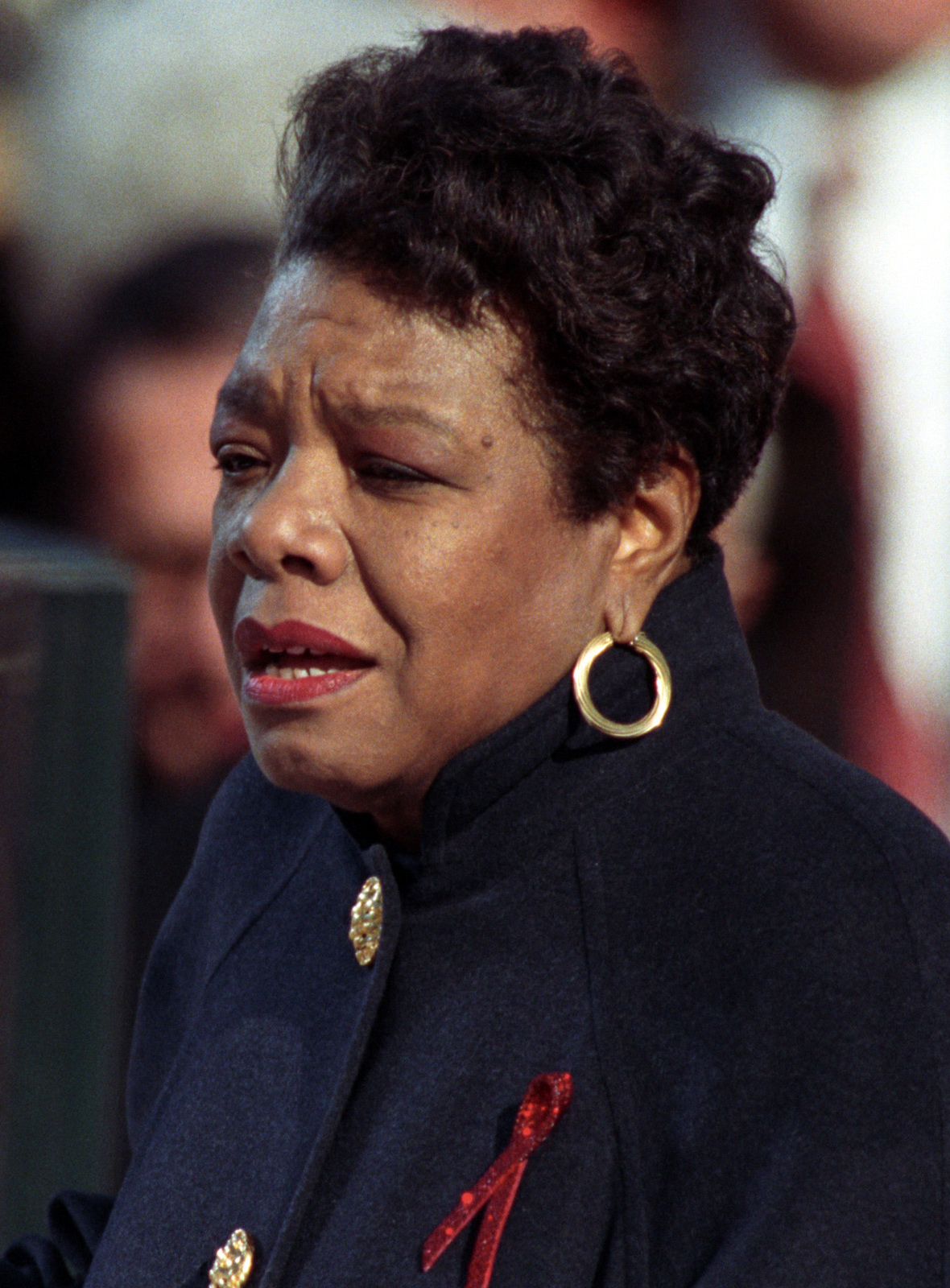
Maya Angelou was an American poet, memoirist, performer and civil-rights advocate. Her writing examines identity, dignity and survival through an unmistakable personal voice.
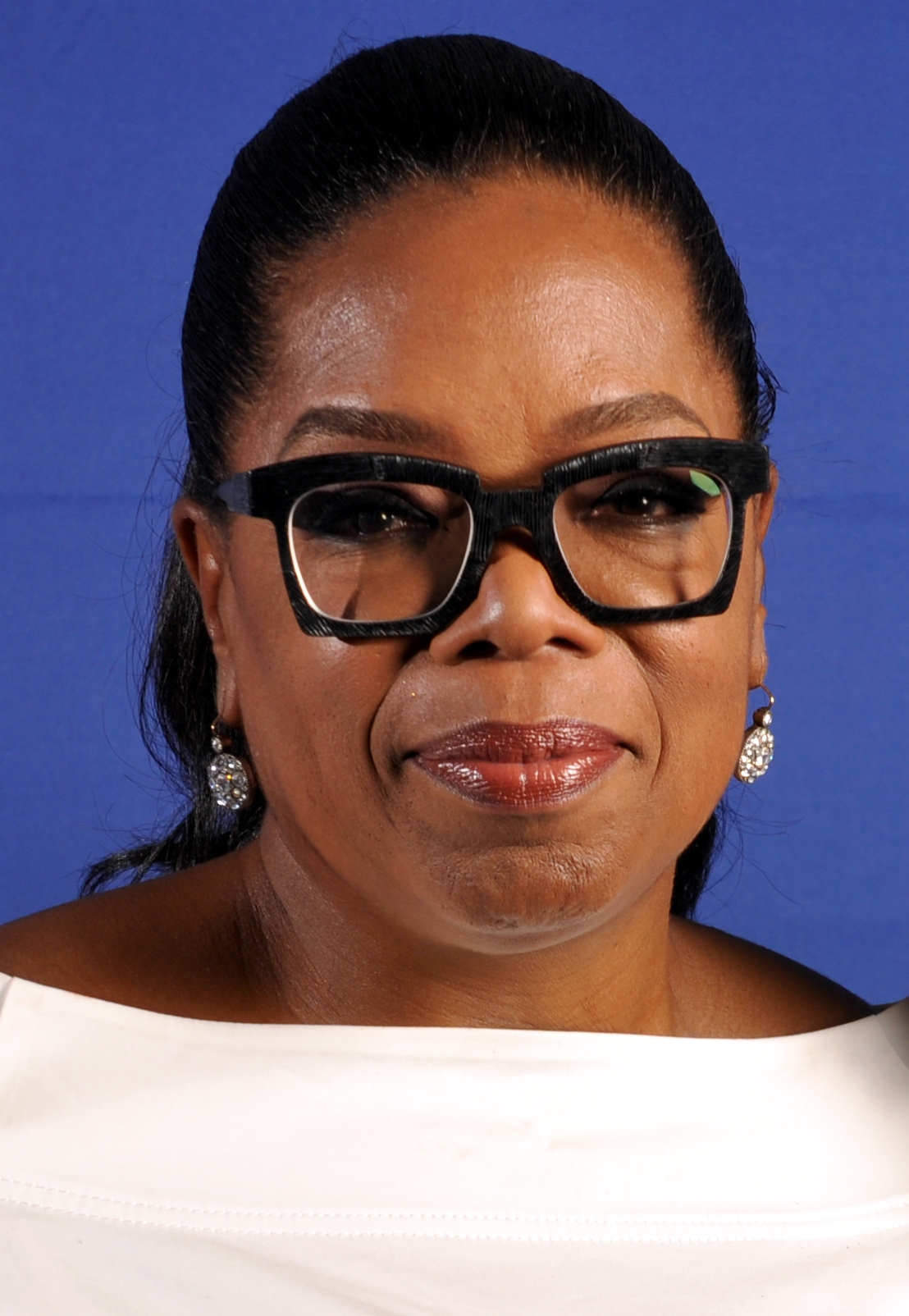
Oprah Winfrey became one of the most recognizable figures in American television through a long-running talk show and later work in production, publishing and philanthropy. Her public addresses…
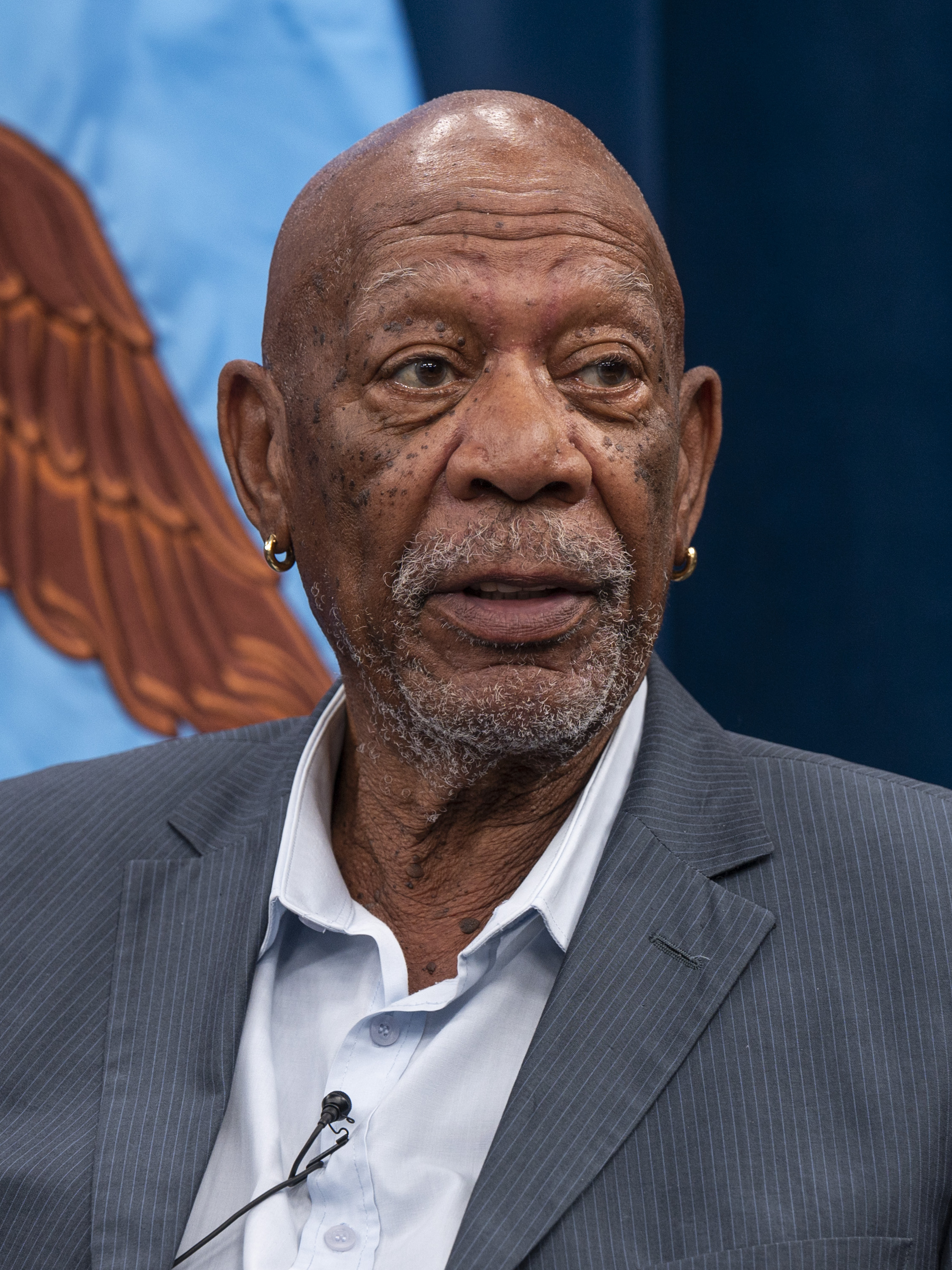
Morgan Freeman is an American actor whose screen and narration work spans decades. Beyond film, remarks from interviews about American history have circulated widely as stand-alone quotations.
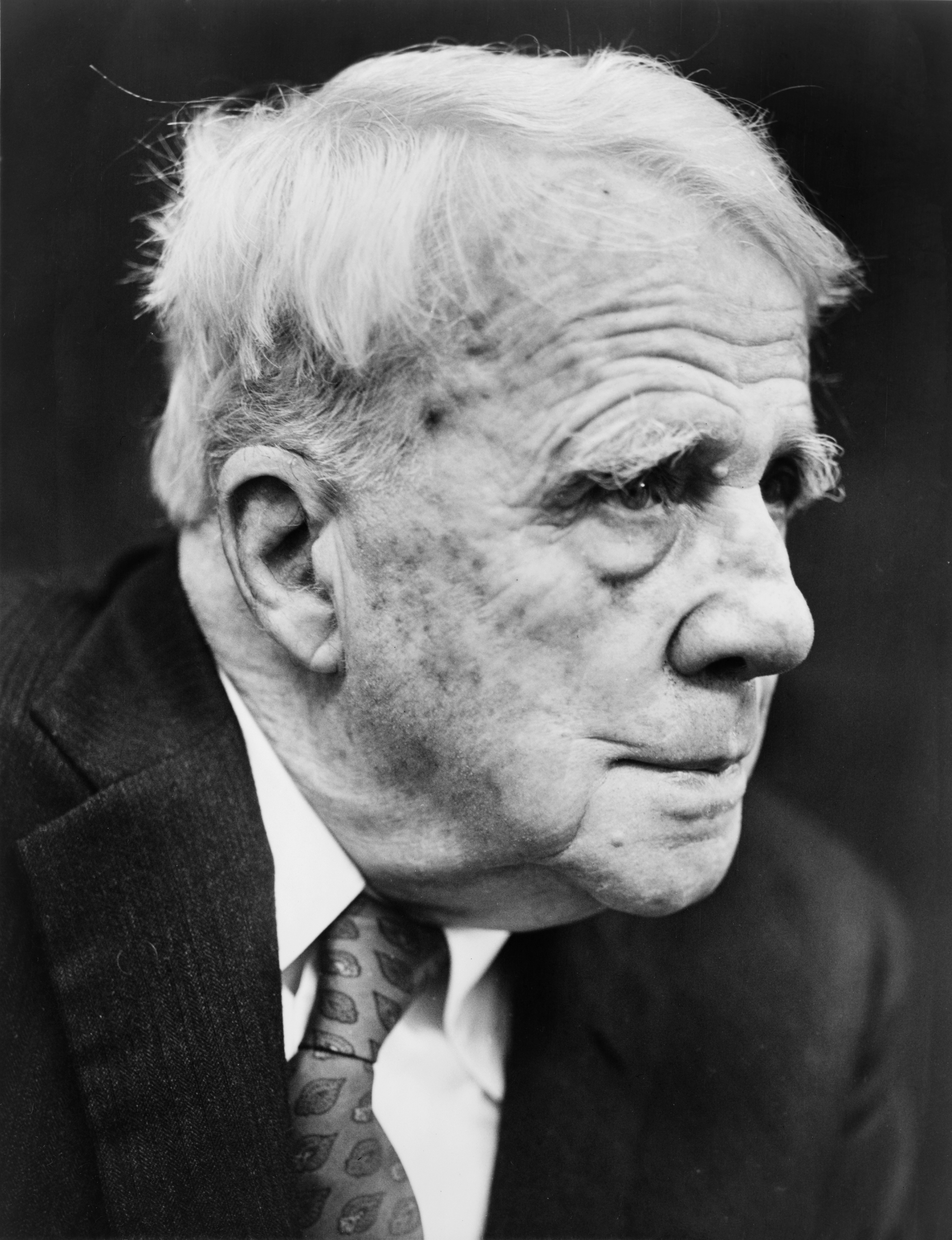
Robert Frost wrote about rural New England landscapes in poems that often conceal difficult questions beneath familiar scenes. His work remains widely read in American schools, and many…
Benjamin Franklin worked as a printer, writer, scientist, diplomat and influential figure in early American public life. His Poor Richard publications made compact sayings about work, time, character…
Arnold Schwarzenegger built careers in competitive bodybuilding, film and American public office. His commencement remarks often draw on that unusual path through sport, entertainment and government.
A familiar name can make a sentence appear more authoritative than it is. Before interpreting an attributed quotation, open the linked speech, poem, interview, or archival record. Look for who was speaking, why the words were said, and what comes immediately before and after them. In historical speeches, a single memorable line may summarize an argument that is much more specific than a modern motivational caption.
Check the original wording
Compare the exact excerpt with its source. Popular quote graphics sometimes shorten a passage or modernize its wording without saying so.
Consider the moment
A wartime address, a graduation speech, and a literary poem invite different readings. Biographical context can explain why a line mattered at the time.
Interpret with care
Ask what the quotation actually argues, what it does not say, and how a thoughtful present-day reader might use it without stripping away its meaning.