Quote of the day by Theodore Roosevelt: “It is not the critic who counts.”
A speech about participation and courage is often reduced to a slogan. Its deeper subject is the distance between criticism and responsibility.
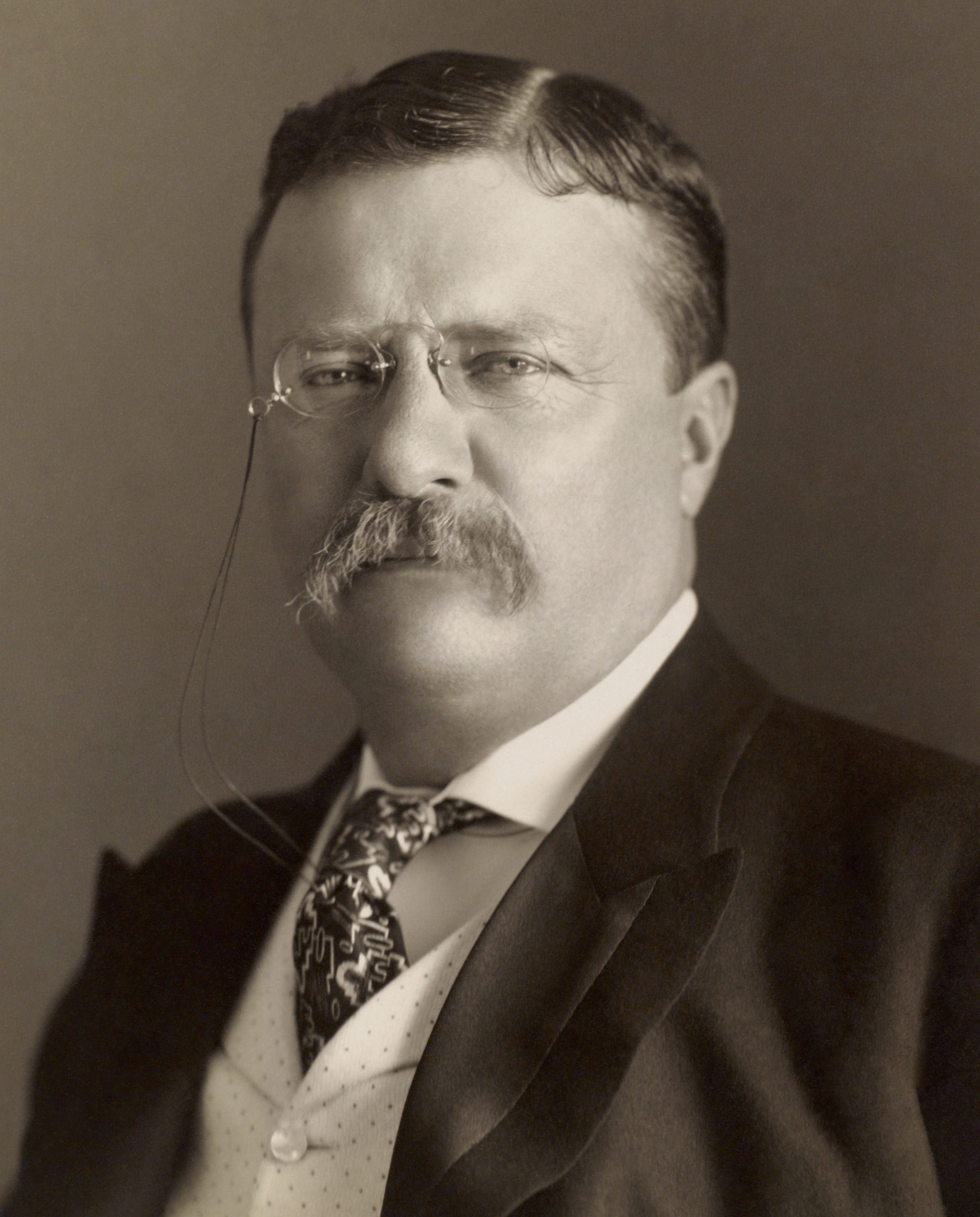
“It is not the critic who counts.”
Recorded in: Citizenship in a Republic, April 23, 1910 ↗
Who was Theodore Roosevelt?
Theodore Roosevelt, the 26th US president, combined political reform with an enduring interest in nature and conservation. His public speaking frequently praised active participation over detached commentary.
Where the words came from
The words known as the Man in the Arena passage come from his 1910 address Citizenship in a Republic, delivered in Paris after his presidency.
When using the passage as motivation, keep the original civic setting in view. Roosevelt was discussing citizenship and responsibility, not just entrepreneurial ambition.
What this quote actually means
Roosevelt was not arguing that criticism has no value. The passage elevates the person who risks failure in pursuit of a cause, while acknowledging the bruises that effort can bring.
Participating instead of spectating
He asks readers to distinguish useful action from the comfort of standing apart. Participation makes a person vulnerable to error and improvement.
Why it still matters
It is most valuable when it encourages thoughtful commitment—not when it is used to dismiss accountable criticism.
The arena is not a free pass
Roosevelt's better-known longer passage contrasts detached criticism with the person who attempts difficult work and risks failure. The excerpt's appeal is obvious to athletes, entrepreneurs, and students. Yet the speech itself concerns citizenship and the standards expected of those who participate in public affairs.
What the short version leaves out
The line is often used to reject all criticism. That misses an important distinction: contemptuous spectatorship is different from informed correction, accountability, or a warning about harm. A person in the arena still needs to listen when someone points out a genuine error.
How to explore the original
Read more than the first sentence of the Man in the Arena passage. Notice how Roosevelt treats effort, mistakes, and a worthy cause. Consider what kind of work deserves praise beyond mere boldness.
Does the quote mean critics should be ignored?
No. It values responsible effort, but thoughtful criticism can be essential to doing that work well.
What is the Man in the Arena quote?
It is part of Roosevelt’s 1910 Citizenship in a Republic speech and praises people who act and strive despite possible failure.
Sources and attribution
The quotation above is linked to a source document or accountable publication. The commentary and interpretation are original editorial writing, not new quotations by Theodore Roosevelt.
Read: Citizenship in a Republic, April 23, 1910 ↗Photograph license and photographer ↗