Quote of the day by John F. Kennedy: “Ask not what your country can do for you—ask what you can do for your count…”
Kennedy’s 1961 inaugural challenge asked Americans to think of citizenship as a commitment to service, rather than only a claim to benefits.
“Ask not what your country can do for you—ask what you can do for your country.”
Recorded in: Inaugural Address, January 20, 1961 ↗
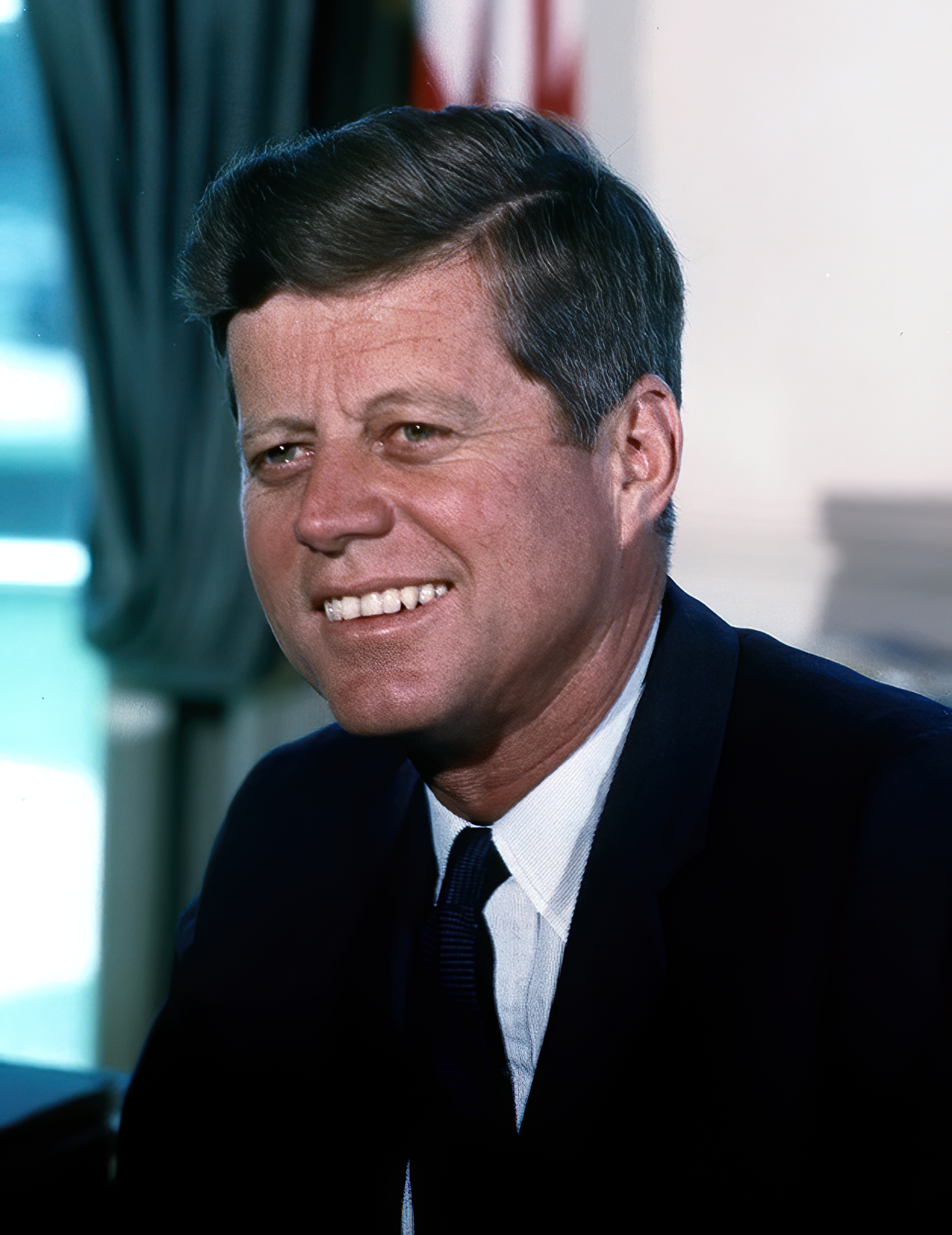
Who was John F. Kennedy?
John F. Kennedy’s presidency was shaped by the Cold War and an appeal to public service. His 1961 inaugural address remains one of the best-known examples of American civic rhetoric.
Where the words came from
Kennedy delivered the line during his first presidential address, after describing the duties of a new generation and the international challenges it faced. It was not simply a personal-productivity maxim.
For a fuller reading, consider the speech’s references to freedom, global cooperation and the risks of conflict. The line can inspire service while still inviting debate about what citizenship requires.
What this quote actually means
The reversal of the sentence turns a question about benefits into a question about responsibility. Its memorable form helps carry a broader argument about shared sacrifice.
Citizenship as contribution
Kennedy urged citizens to consider what they could contribute, not only what institutions might deliver for them.
Why it still matters
Volunteering, participation in local decisions and responsibility for shared spaces are everyday ways to explore this idea.
Public service rather than personal branding
Kennedy's inaugural call frames citizenship as contribution. In the speech, it sits alongside appeals to alliances, national responsibility, and the difficulty of a world shaped by ideological conflict. The line asks listeners to think about what they owe a community, not merely what opportunities a government can supply.
What the short version leaves out
Used alone, the quotation can sound like a simple rebuke to anyone asking for public services. That is a narrower interpretation than the address as a whole, which treats government, citizens, and international partners as having shared obligations.
How to explore the original
Read the neighboring paragraphs and ask how service is defined. Volunteerism, democratic participation, and care for others are possible modern applications, but each deserves a concrete example rather than an empty patriotic flourish.
Is the quote only about volunteering?
No. Volunteering can express the idea, but the original appeal concerns broader responsibilities of citizenship and public life.
Where did Kennedy say this?
In his January 20, 1961 presidential inaugural address in Washington, DC.
Sources and attribution
The quotation above is linked to a source document or accountable publication. The commentary and interpretation are original editorial writing, not new quotations by John F. Kennedy.
Read: Inaugural Address, January 20, 1961 ↗Photograph license and photographer ↗