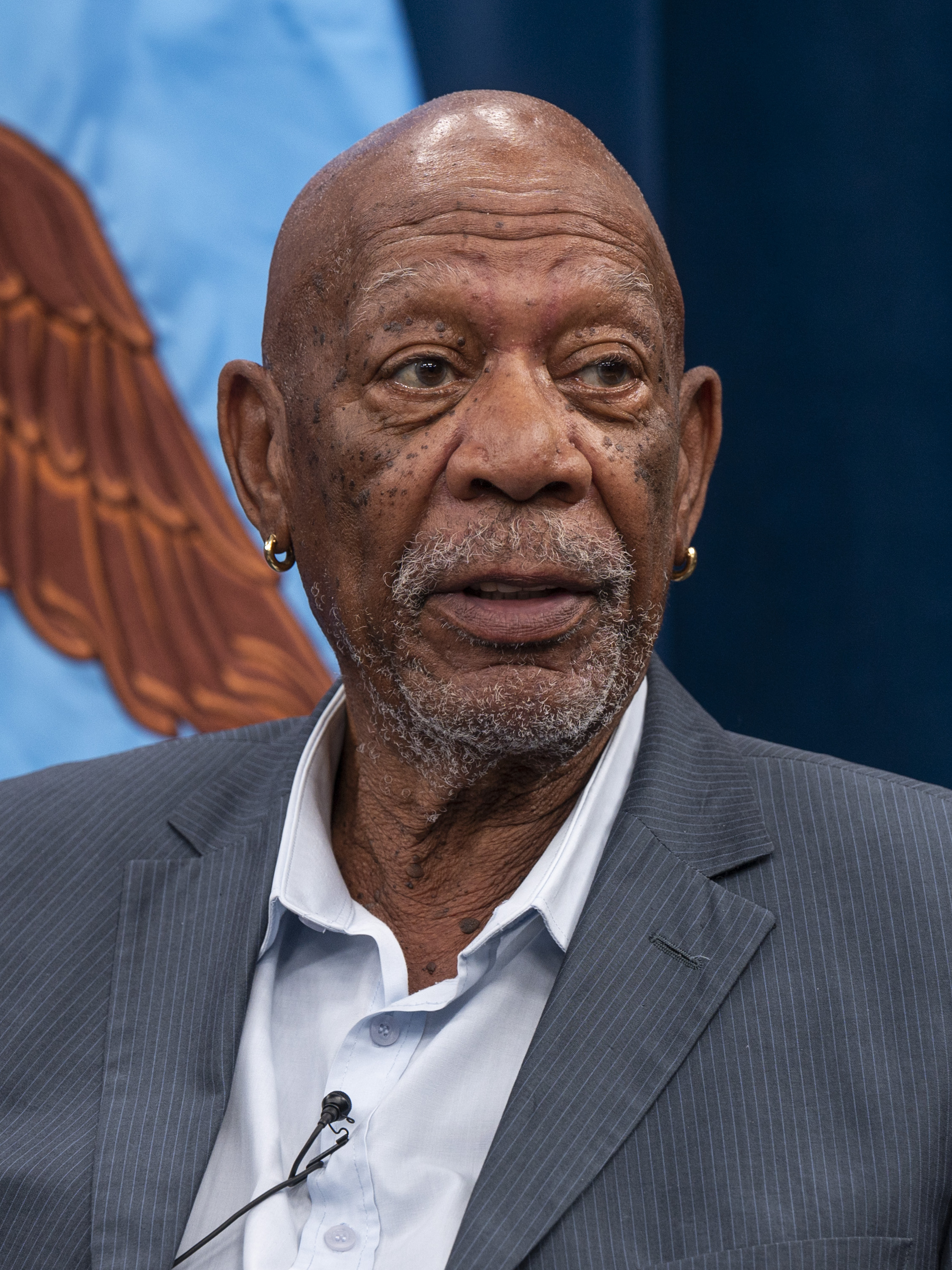
Quote of the day by Morgan Freeman: “Black history is American history.”
Freeman’s view about Black history is widely repeated, but the interview context—and the disagreement around it—matters.
“Black history is American history.”
Recorded in: PBS NewsHour report on Black History Month, 2012 ↗
Who was Morgan Freeman?
Morgan Freeman is an American actor whose screen and narration work spans decades. Beyond film, remarks from interviews about American history have circulated widely as stand-alone quotations.
Where the words came from
In a 2005 television interview, Freeman argued that Black history belongs within the broader story of the United States. PBS later revisited his remarks while discussing the competing arguments for and against a separate Black History Month.
For context, read the PBS NewsHour report alongside the responses of historians and educators who make the case that focused attention can reveal stories often left out of traditional curricula.
What this quote actually means
His short sentence stresses that Black Americans are not an appendix to the national story. It should not be mistaken for a consensus view about whether dedicated commemorative months remain useful.
Whose history gets remembered
The statement challenges a division between a supposedly general national history and the experiences of a substantial part of that nation. Its meaning changes when removed from the original discussion.
Why it still matters
School curricula, museums and public history projects still wrestle with how to be inclusive without obscuring the particular experiences of different communities.
One statement in an ongoing historical debate
Freeman's remark makes a claim about the place of Black history within the larger American story. It challenges readers to ask why some experiences are treated as central while others are presented as optional additions. The original interviews and later reporting provide the context needed to understand his point.
What the short version leaves out
The sentence is sometimes used to declare that dedicated Black History Month study is unnecessary. That is not the only position in the public debate. Historians and educators also argue that focused attention can reveal lives, institutions, and events long neglected in mainstream accounts.
How to explore the original
Read the PBS discussion alongside educational perspectives rather than turning a short quotation into a complete argument. Separate agreement with the premise from disagreement over how history should be taught.
Does the quote settle the debate about Black History Month?
No. It offers a viewpoint that should be considered alongside historical evidence and the aims of education.
Was Morgan Freeman arguing against learning Black history?
No. In the interview discussion, he questioned treating it as separate from American history. Other voices argue that a dedicated month remains valuable for historical education.
Sources and attribution
The quotation above is linked to a source document or accountable publication. The commentary and interpretation are original editorial writing, not new quotations by Morgan Freeman.
Read: PBS NewsHour report on Black History Month, 2012 ↗Photograph license and photographer ↗