Quote of the day by Robert Frost: “Two roads diverged in a yellow wood,”
A fork in a yellow wood is the beginning of a poem about choices, ambiguity and the stories people tell about their lives.
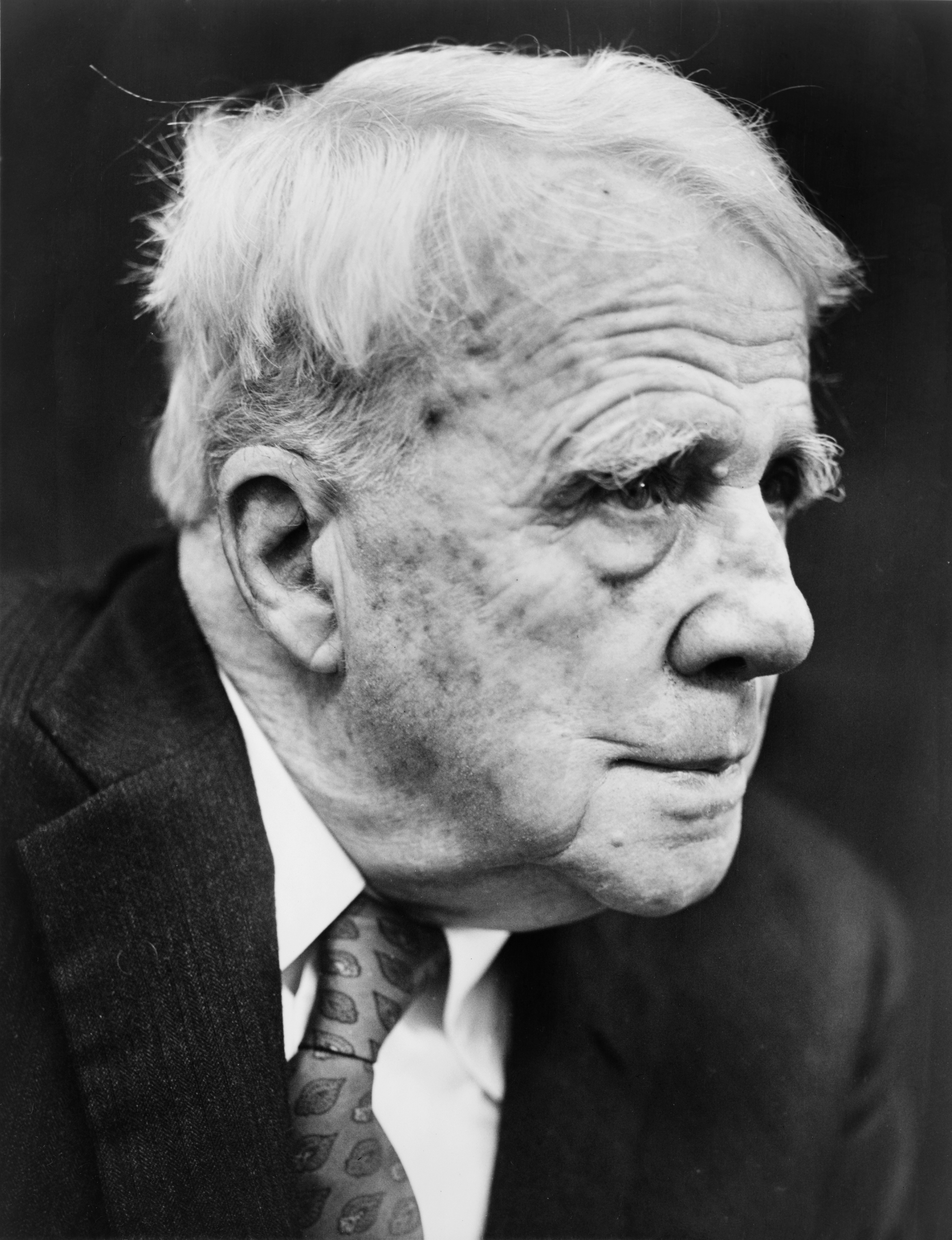
“Two roads diverged in a yellow wood,”
Recorded in: The Road Not Taken, first published 1915 ↗
Who was Robert Frost?
Robert Frost wrote about rural New England landscapes in poems that often conceal difficult questions beneath familiar scenes. His work remains widely read in American schools, and many lines have entered everyday conversation.
Where the words came from
The opening of The Road Not Taken places a traveler at a fork in a wood. The speaker must choose, knowing both routes cannot be taken at once. Later lines famously recount how the choice will be retold in the future.
The Poetry Foundation publishes the poem and literary commentary. Both paths are described in ways that complicate the idea that one was obviously less traveled; the speaker also imagines later telling the story with a sigh.
What this quote actually means
A decision is unavoidable, yet its significance may be constructed afterward. The poem is more ambiguous than the popular interpretation that simply urges readers to be different from everyone else.
Choice and hindsight
The image of diverging paths dramatizes how choosing one option closes another. Frost also explores the stories we tell ourselves about why a choice mattered.
Why it still matters
The poem can enrich conversations about education, careers and personal change, especially when we admit uncertainty rather than claiming every choice has a clear, heroic meaning.
The poem complicates its own famous image
The Road Not Taken is frequently read as praise for an unmistakably unconventional choice. Yet the speaker's description of the two paths is more complicated: the roads appear similar, and the later story about what made all the difference can be understood in several ways.
What the short version leaves out
Extracting only the opening or a later line can erase the poem's playful uncertainty about memory and choice. The poem is literature, not a set of instructions for success. Its ambiguity is part of why readers keep returning to it.
How to explore the original
Read the poem from beginning to end, paying special attention to how the speaker describes both roads and how the telling of the choice changes over time. The linked literary source helps illuminate the interpretive possibilities.
Is Frost telling readers always to choose the unusual path?
That popular lesson is only one possible interpretation and overlooks key details of the poem.
Is The Road Not Taken simply about choosing the unusual path?
Not necessarily. The poem notes that the two routes were similar and invites readers to question the speaker’s later account of the difference.
Sources and attribution
The quotation above is linked to a source document or accountable publication. The commentary and interpretation are original editorial writing, not new quotations by Robert Frost.
Read: The Road Not Taken, first published 1915 ↗Photograph license and photographer ↗