Quote of the day by Abraham Lincoln: “government of the people, by the people, for the people”
A cemetery dedication became a lasting challenge to American democracy: who is responsible for carrying its unfinished promises forward?
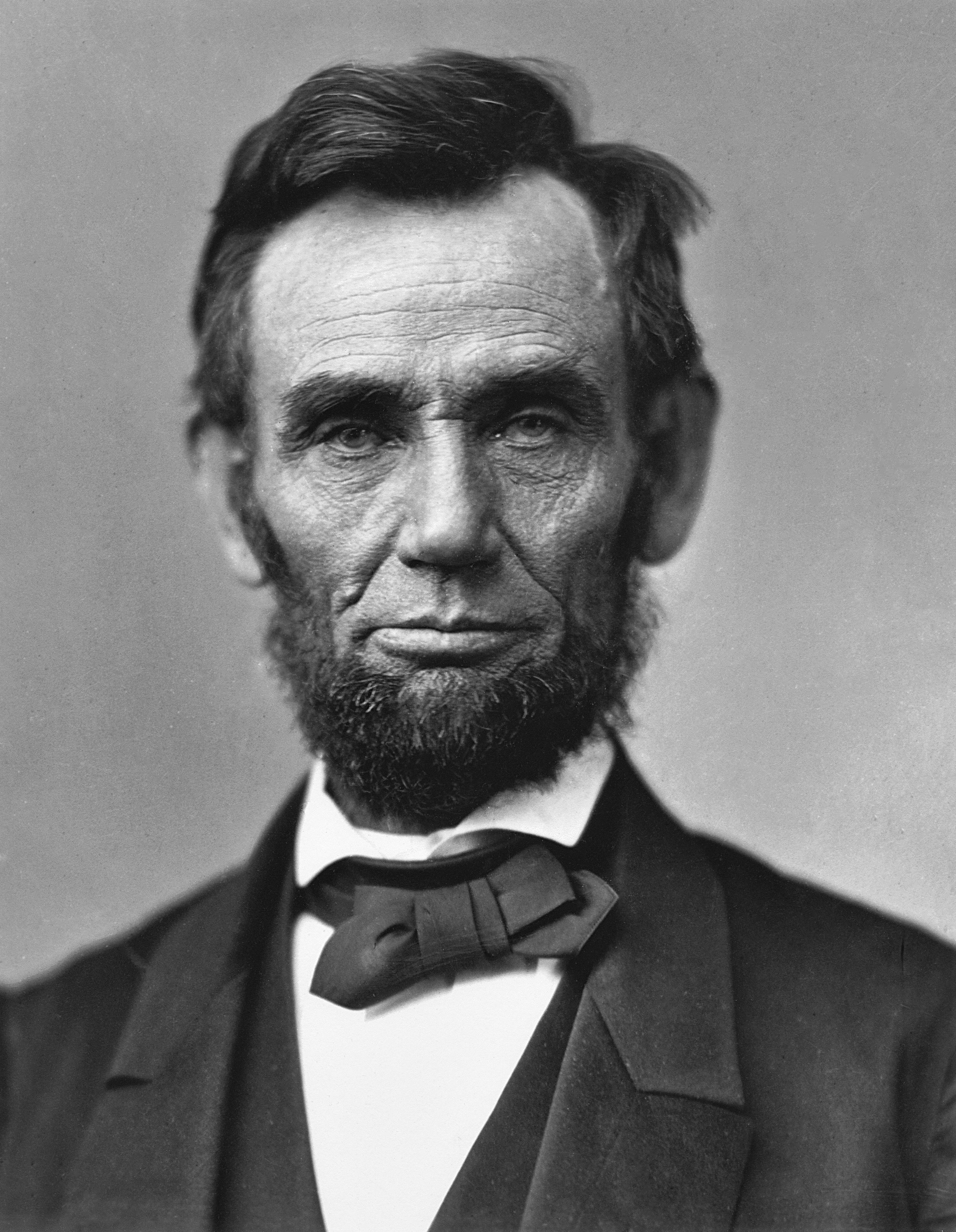
“government of the people, by the people, for the people”
Recorded in: Gettysburg Address, November 19, 1863 ↗
Who was Abraham Lincoln?
Abraham Lincoln helped guide the United States through the Civil War and placed the survival of a constitutional democracy at the center of his public language. His speeches still shape how Americans discuss equality, responsibility and public service.
Where the words came from
His best-known lines are not free-floating motivational slogans. The Gettysburg Address came after a devastating battle, at the dedication of a military cemetery, while the country was divided over slavery and the meaning of union.
Read the Gettysburg Address as a brief argument about whether a nation founded on equality can endure. The quote is useful for reflecting on citizenship, but it should not be separated from the Civil War and emancipation.
What this quote actually means
His words make the audience—not a single leader—the inheritors of an unfinished civic promise. The force of the sentence comes from tying sacrifice to a future obligation.
Representation and responsibility
The phrase places legitimacy with the people rather than personal power. It names democracy as something that has to be defended in practice.
Why it still matters
Civic service, democratic participation and the distance between public ideals and the lived experience of citizens remain relevant ways to interpret the speech.
Read the address as a whole argument
The phrase about government belongs near the end of a remarkably short address. Earlier sentences recall the nation's founding and the idea that people are created equal; later ones call the living to continue an unfinished work. The quotation is compelling because it asks more of the audience than agreement with a slogan: it assigns them responsibility for what follows.
What the short version leaves out
It is tempting to use Lincoln's words as a neutral celebration of leadership. But the setting was a civil war, with profound questions of slavery, citizenship, loss, and the survival of the Union. An interpretation that overlooks those stakes leaves out much of the speech's moral force.
How to explore the original
Read the full Gettysburg Address before quoting it in a civic presentation. Compare the opening claim about equality with the closing appeal to government by the people. Notice how the sentence moves from remembrance of the dead to obligations of the living.
Does this line describe a finished achievement?
No. In the address, the democratic ideal is presented as something the nation must continue working to realize, not a victory that requires no further effort.
What was the Gettysburg Address about?
A wartime cemetery dedication became a compact statement of American democratic purpose, sacrifice and the unfinished promise of equality.
Sources and attribution
The quotation above is linked to a source document or accountable publication. The commentary and interpretation are original editorial writing, not new quotations by Abraham Lincoln.
Read: Gettysburg Address, November 19, 1863 ↗Photograph license and photographer ↗