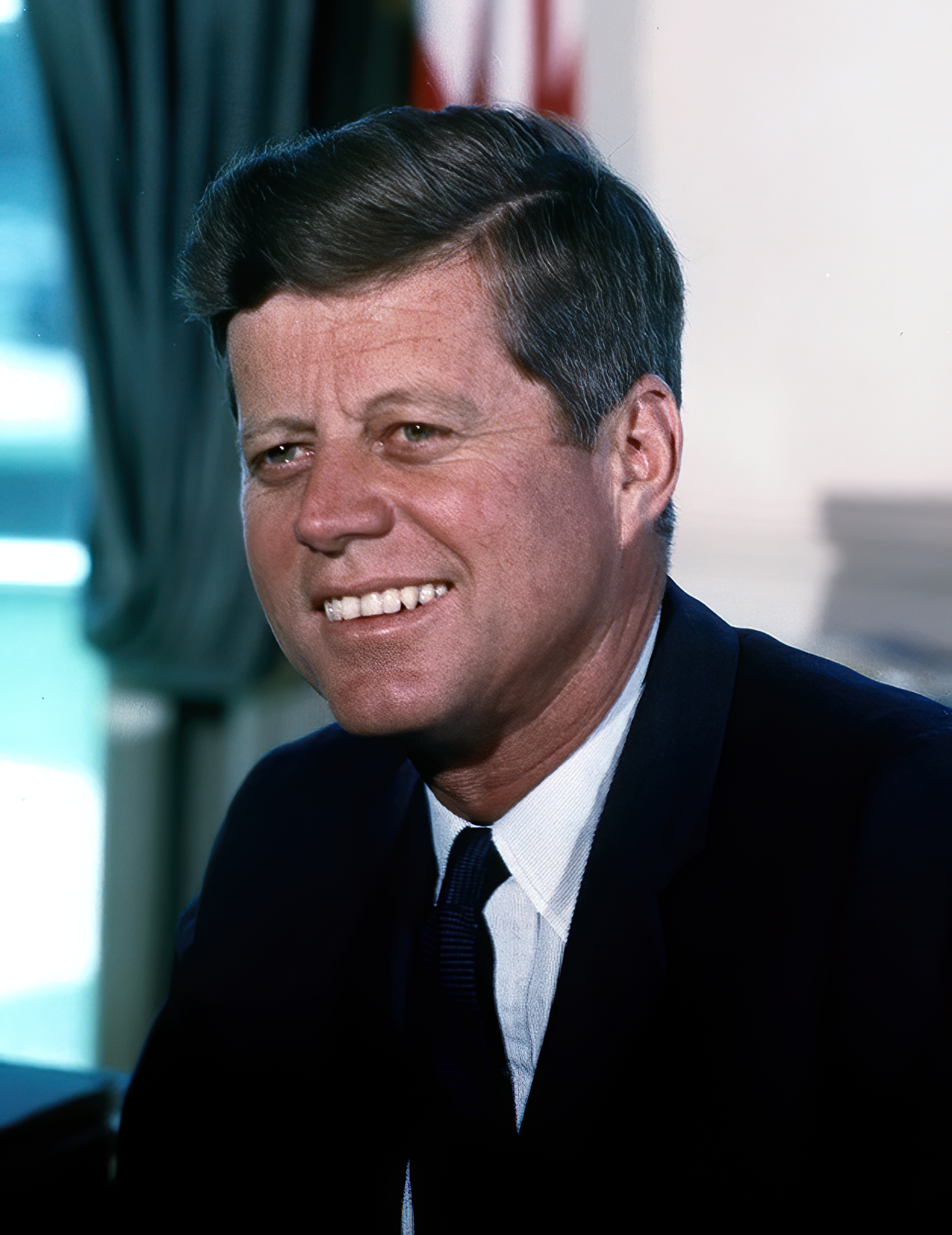
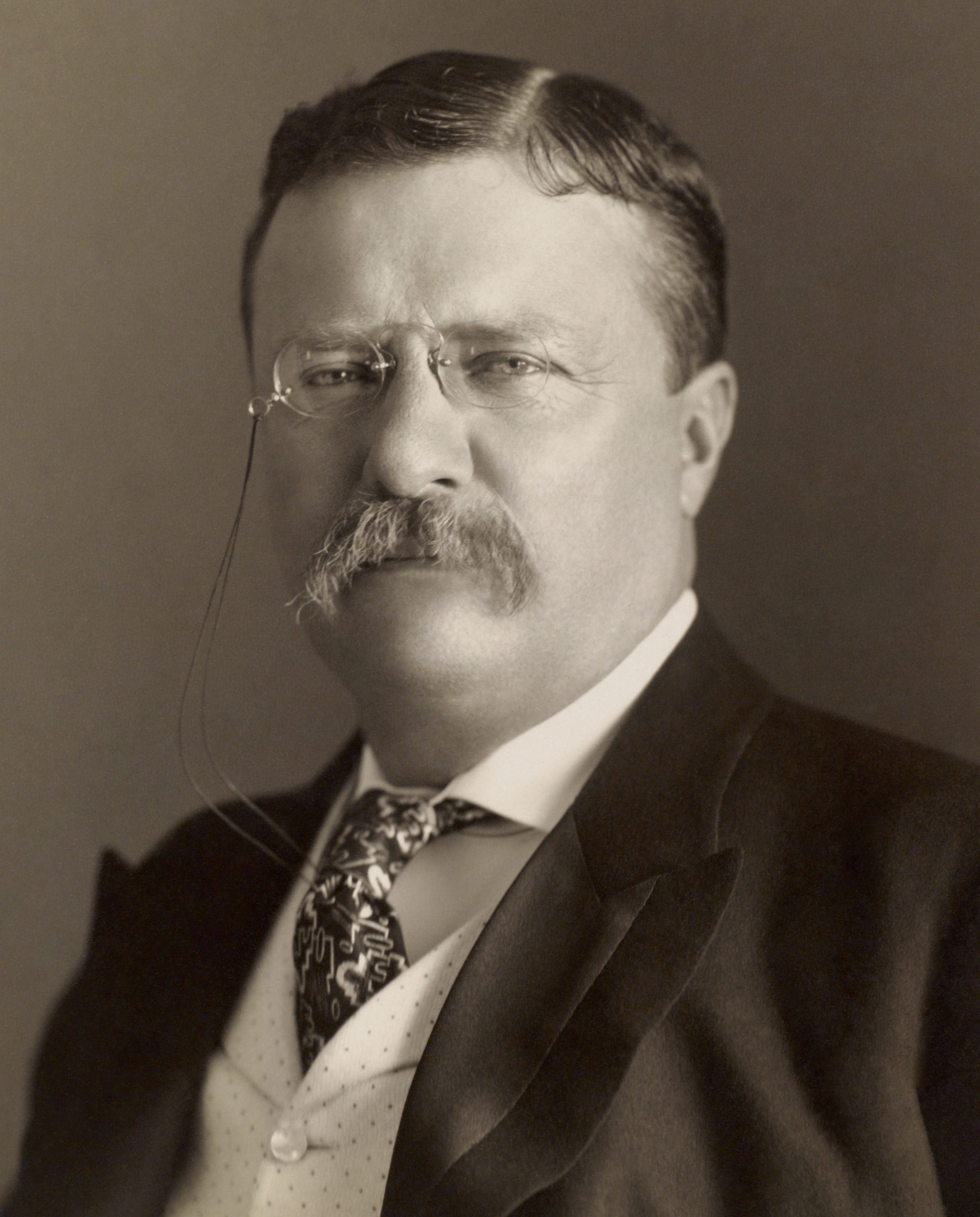
Quote of the day by Franklin D. Roosevelt: “the only thing we have to fear is fear itself”
Facing a banking emergency and national despair, Roosevelt used his first inaugural address to confront public fear and call for action.
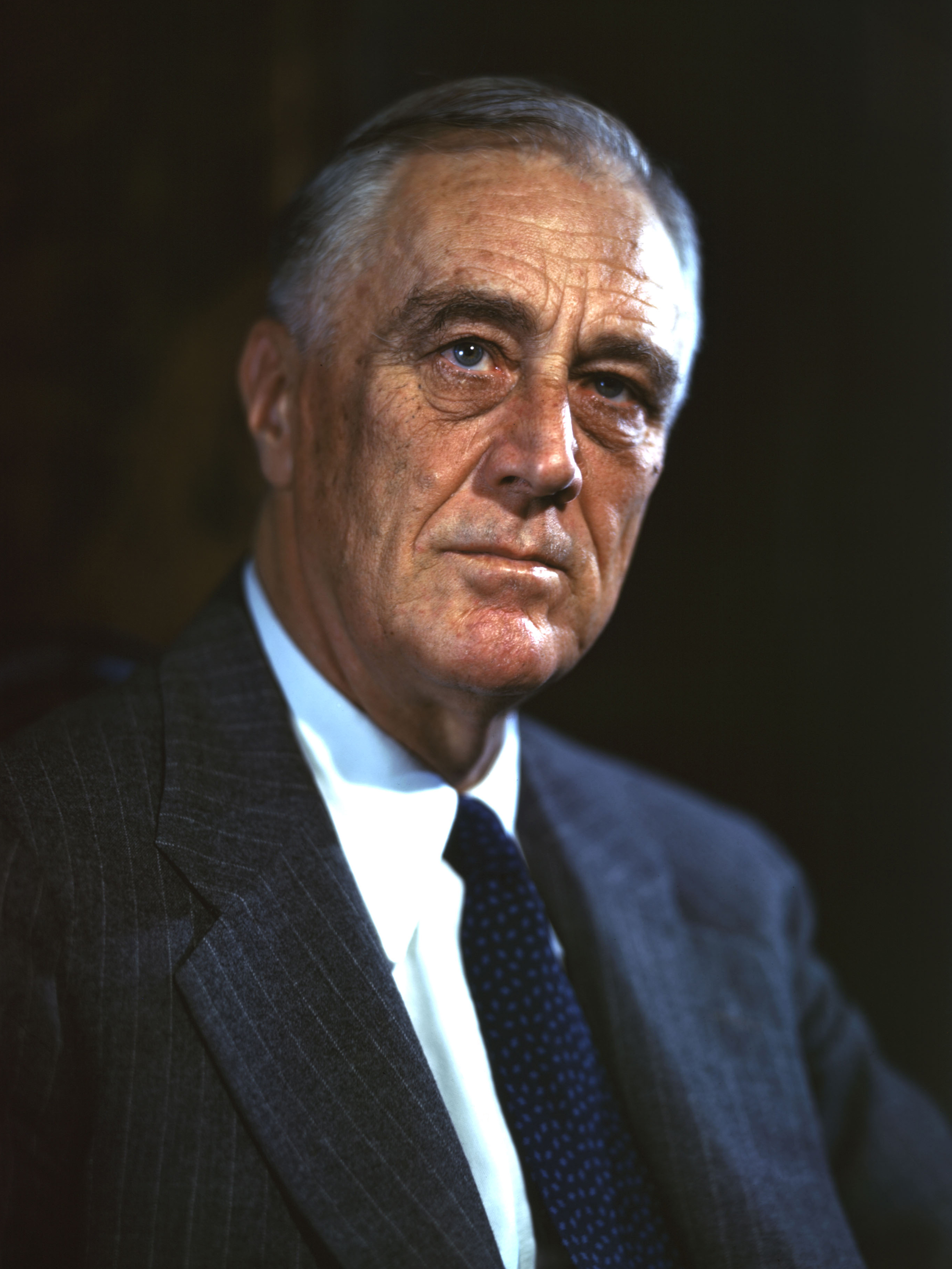
“the only thing we have to fear is fear itself”
Recorded in: First Inaugural Address, March 4, 1933 ↗
Who was Franklin D. Roosevelt?
Franklin D. Roosevelt was the 32nd US president. He entered office during the Great Depression and later led the country through most of World War II. His rhetoric often made uncertainty understandable without denying its severity.
Where the words came from
His first inaugural address in March 1933 confronted a frightened nation. The celebrated line about fear was part of a larger appeal for honest leadership, coordinated action and economic recovery.
Read the whole address to see how confidence and policy are connected. The rhetorical power comes from admitting the situation was serious while rejecting paralysis.
What this quote actually means
The line does not claim that threats are imaginary. It warns that uncontrolled fear can prevent the practical decisions needed to respond to genuine danger.
Fear and practical courage
Fear is not itself a policy. Roosevelt argued that alarm, when it becomes paralyzing, can obstruct a response to real economic hardship.
Why it still matters
The distinction between acknowledging risk and being immobilized by it remains useful when approaching complex public or personal problems.
Fear, leadership, and practical action
Roosevelt did not deliver the line in an abstract essay about courage. The first inaugural came during a severe economic emergency, when people were anxious about jobs, banks, and their future. The address attempts to establish trust and a basis for collective action, making the line part of a public argument about leadership.
What the short version leaves out
The popular abbreviated phrase can sound like a command never to feel afraid. Roosevelt's rhetoric is better read as a warning about panic becoming another obstacle to addressing a genuine crisis. His speech did not claim that hardship was imaginary or that reassurance alone was sufficient.
How to explore the original
Read the lines surrounding the quotation and identify what he says needs to happen after fear is acknowledged. The combination of confidence, cooperation, and action is more useful than quoting the sentence by itself.
Was Roosevelt saying no dangers existed?
No. He was addressing a real emergency and arguing that panic could deepen the difficulty of responding to it.
Why did Roosevelt speak about fear?
His country faced a deep economic crisis. He sought to replace panic with confidence and organized action.
Sources and attribution
The quotation above is linked to a source document or accountable publication. The commentary and interpretation are original editorial writing, not new quotations by Franklin D. Roosevelt.
Read: First Inaugural Address, March 4, 1933 ↗Photograph license and photographer ↗