Quote of the day by Frederick Douglass: “Power concedes nothing without a demand.”
In a speech on abolition and political struggle, Douglass explained why demands for justice cannot depend on the generosity of those in power.
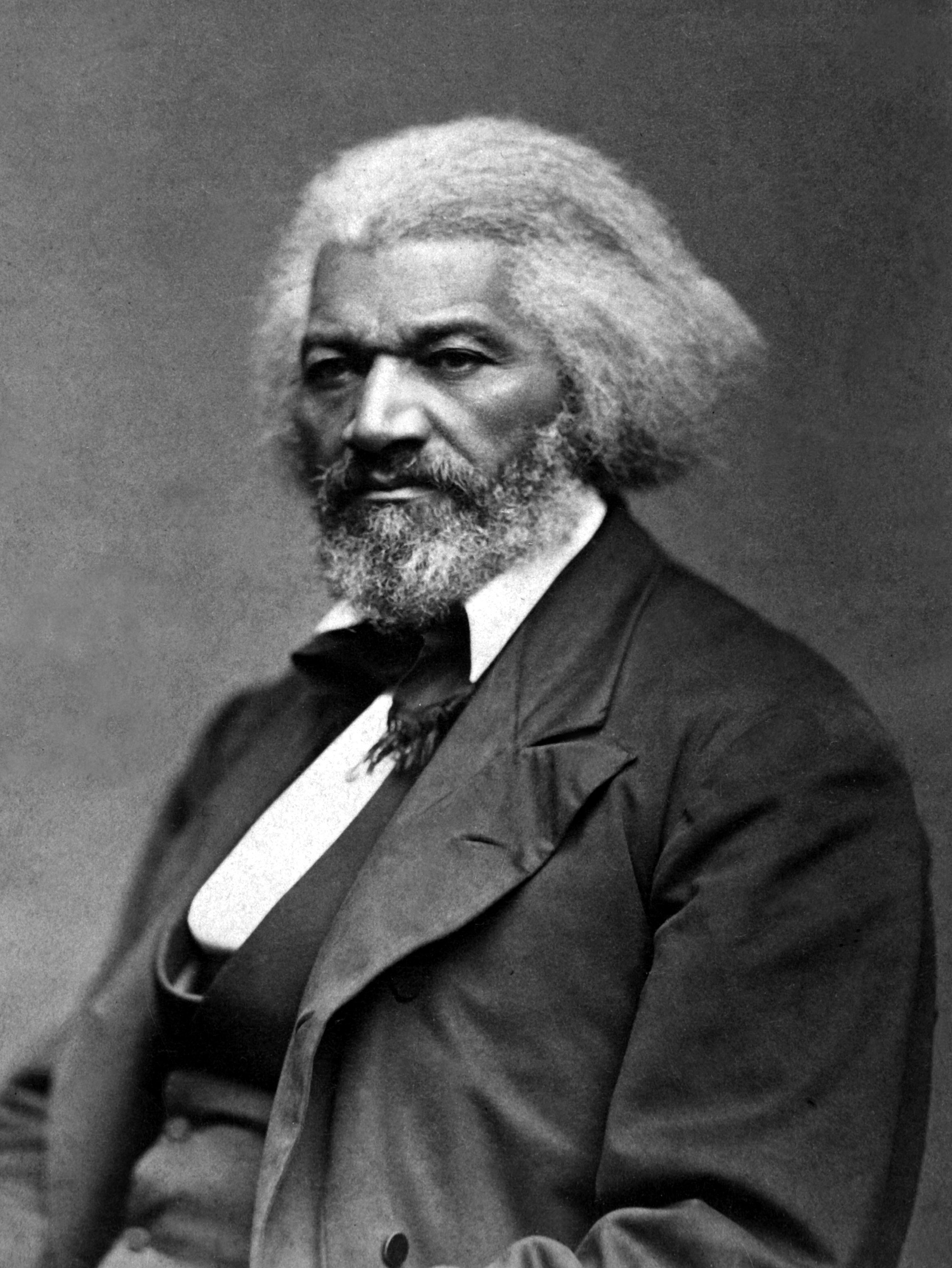
“Power concedes nothing without a demand.”
Recorded in: No Struggle, No Progress, 1857 ↗
Who was Frederick Douglass?
Frederick Douglass escaped enslavement and became one of the most influential American abolitionist writers and speakers. He treated eloquence and organized action as tools for confronting injustice.
Where the words came from
In an 1857 speech, Douglass refused the idea that change arrives through patience alone. He distinguished between a wish for progress and the sustained pressure required to win rights.
His autobiography and speeches illuminate the relationship between personal testimony, freedom of the press and collective organizing. His legacy cannot be reduced to a single motivational line.
What this quote actually means
His sentence describes political reality as a struggle between those who hold power and those excluded from it. Read alongside his speeches, it is a call for public agency rather than an invitation to despair.
Progress and collective action
A demand becomes more than a request when it is backed by sustained organization. Douglass described struggle as a necessary condition of reform.
Why it still matters
The quote helps explain why campaigns for rights often require persistent attention even after public opinion begins changing.
A demand is more than a request
Douglass's sentence is memorable because it rejects the idea that justice will arrive only through the goodwill of those with power. The surrounding argument asks listeners to take conflict and sustained effort seriously. It is about organized public action, not simply personal determination or trying harder at work.
What the short version leaves out
Treating this line as a generic hustle quote obscures its relationship to the abolition of slavery and the fight for rights. Douglass was describing the imbalance between people denied freedom and those able to preserve unjust arrangements. The political subject is central to its meaning.
How to explore the original
Read the speech alongside accounts of Douglass's life as a writer, speaker, and abolitionist. Look for the differences between pleading for change, building public pressure, and changing institutions.
Is the quotation about individual ambition?
Its historical subject is collective struggle against injustice. Personal motivation may be a secondary application, but should not replace that setting.
What did Frederick Douglass mean by this quote?
He argued that those holding power rarely surrender it voluntarily; organized demands and action drive reform.
Sources and attribution
The quotation above is linked to a source document or accountable publication. The commentary and interpretation are original editorial writing, not new quotations by Frederick Douglass.
Read: No Struggle, No Progress, 1857 ↗Photograph license and photographer ↗